Welcome to The Illumenati. Hollywood sold you a lie about hacking. The hoodie. The black room lit by a single monitor. The genius typing at 200 words per minute, cracking "the mainframe" while a progress bar races to 100%. It is a great story. It is almost never what actually happened.
The greatest hacks in history, the ones that broke nations, exposed half a country, and froze the fuel supply of the eastern United States, mostly succeeded because someone, somewhere, skipped a step. An unpatched server. A vendor with too much access. A login with no second factor. The kind of thing that lives on a compliance checklist and gets ignored because it is, frankly, boring.
So we pulled six case files. For each one we will tell you the heist, then point at the single unglamorous control that would have ended it before it started. Consider it a true-crime podcast where the killer is always the same: basic security hygiene that nobody implemented.
THE MYTH OF THE GENIUS HACKER
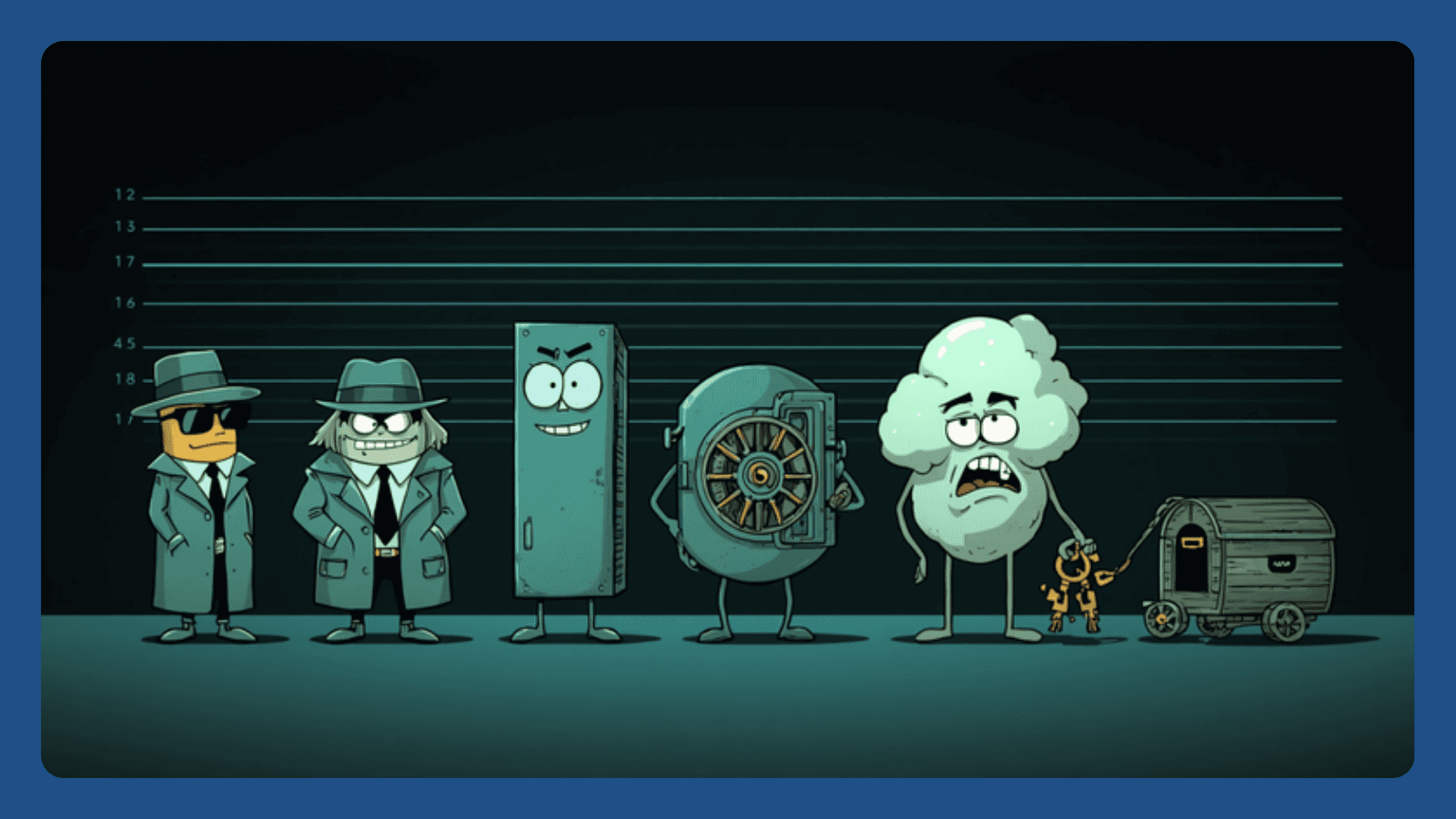
Here is the uncomfortable pattern hiding inside almost every famous data breach: attackers are economically rational. They do not burn a priceless zero-day on you if a stolen password works. They knock on the side door before they try to blow the vault. Why pick the lock when the cleaning crew propped the door open?
That means the controls that actually stop breaches are not exotic. They are the ones that close the side doors: patch the server, require a second factor, segment the network, scope down the access, verify what you ship. Boring. Effective. And, in every case below, missing.
Attackers don't beat your best defense. They walk past your missing one.
CASE FILE 01: STUXNET VS. THE AIR GAP
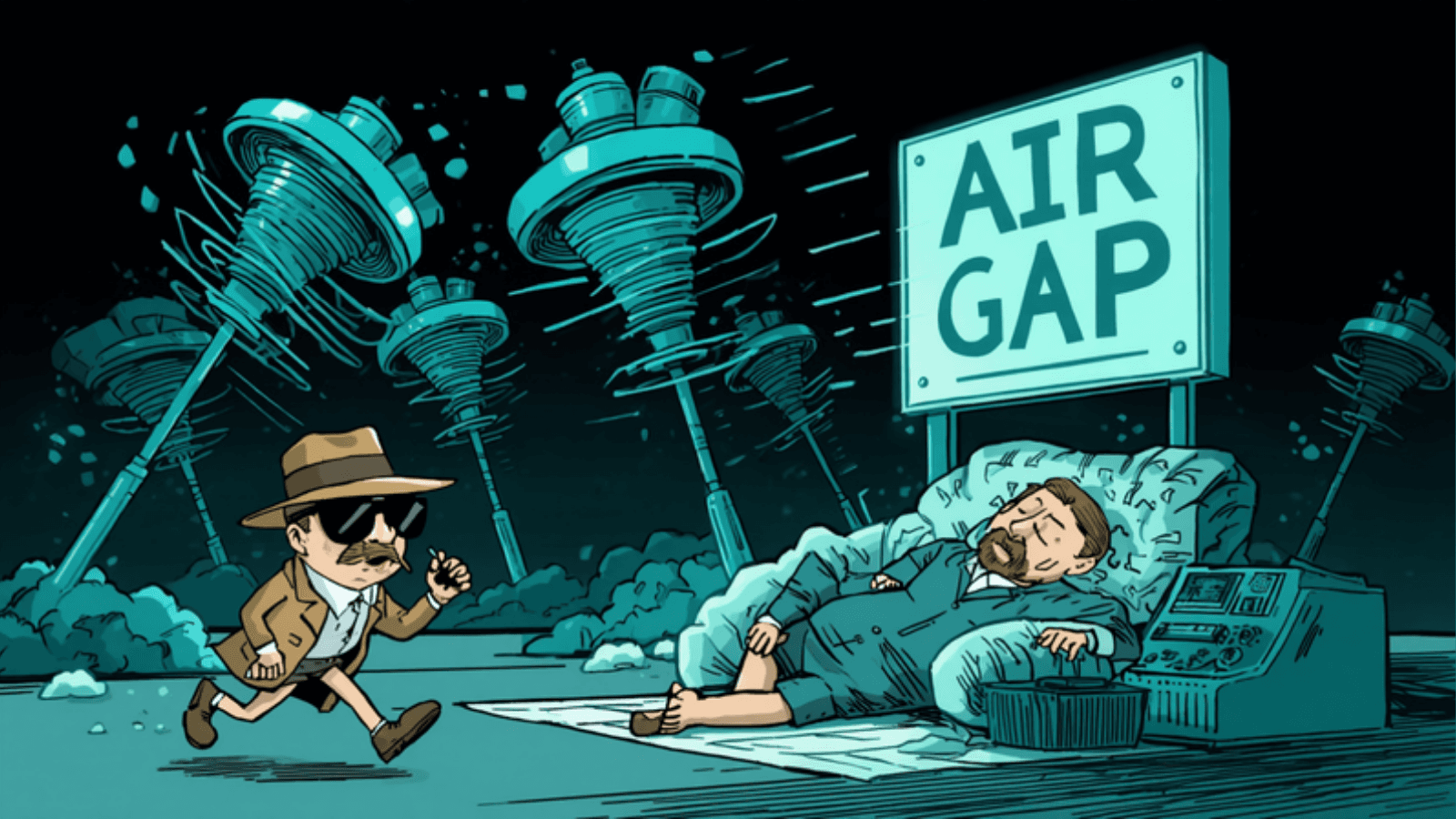
Natanz was supposed to be unhackable. Its industrial network was air-gapped, physically disconnected from the internet, so no remote attacker could reach it. On paper, the perfect defense. Stuxnet did not care, because it never needed the internet.
The worm is widely believed to have walked in on a USB flash drive, carried past the gate by a contractor or insider. Once a single machine was infected, the lack of internal segmentation let it spread across the facility, hunt down the specific Siemens controllers running the centrifuges, and quietly spin them to death while the screens told engineers everything was normal.
An air gap is only as strong as the last USB port someone left enabled.
The boring control: govern removable media and segment the internal network. A device-control policy that blocks unsanctioned USB drives, plus segmentation so one infected workstation cannot reach the crown-jewel controllers, turns "facility-ending sabotage" into "one weird laptop in quarantine." Not glamorous. Just decisive.
CASE FILE 02: TARGET'S HVAC HEIST
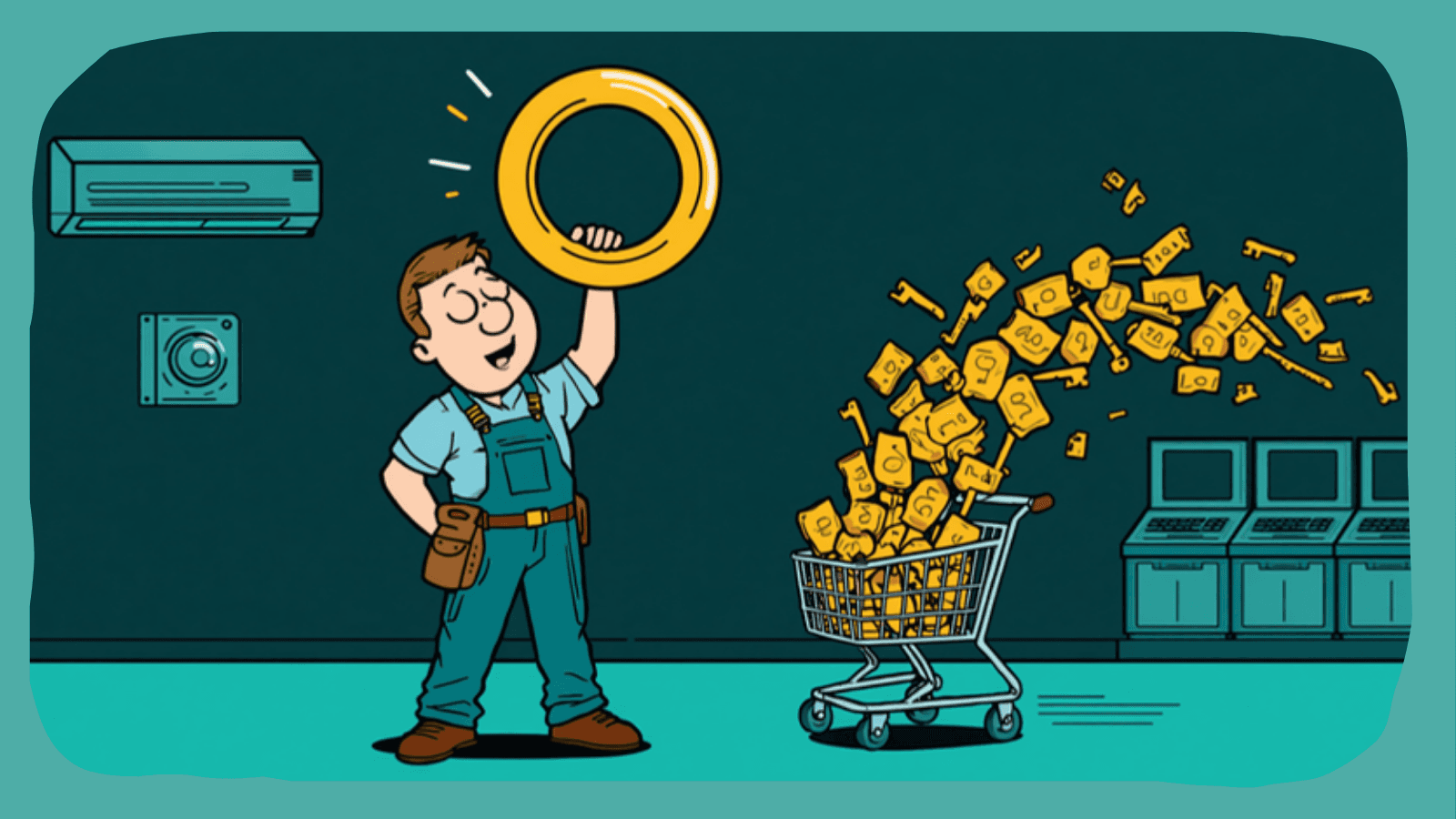
The attackers did not break into Target. They broke into Fazio Mechanical Services, the refrigeration and HVAC contractor, with a run-of-the-mill phishing email. That little vendor had remote access into Target's network, and there was nothing meaningful standing between the heating-and-cooling systems and the cash registers.
So a contractor login meant for monitoring building temperature became a launchpad. The crew moved laterally, planted malware on point-of-sale terminals across the country, and skimmed card data during the busiest shopping weeks of the year. Total damage ran past $200 million.
Your vendors are part of your attack surface whether you manage them or not. It is a theme we dug into in Vendors Are Your Attack Surface. Segmentation and least privilege are the controls that make a vendor compromise a contained incident instead of a national headline.
CASE FILE 03: EQUIFAX AND THE PATCH NOBODY INSTALLED
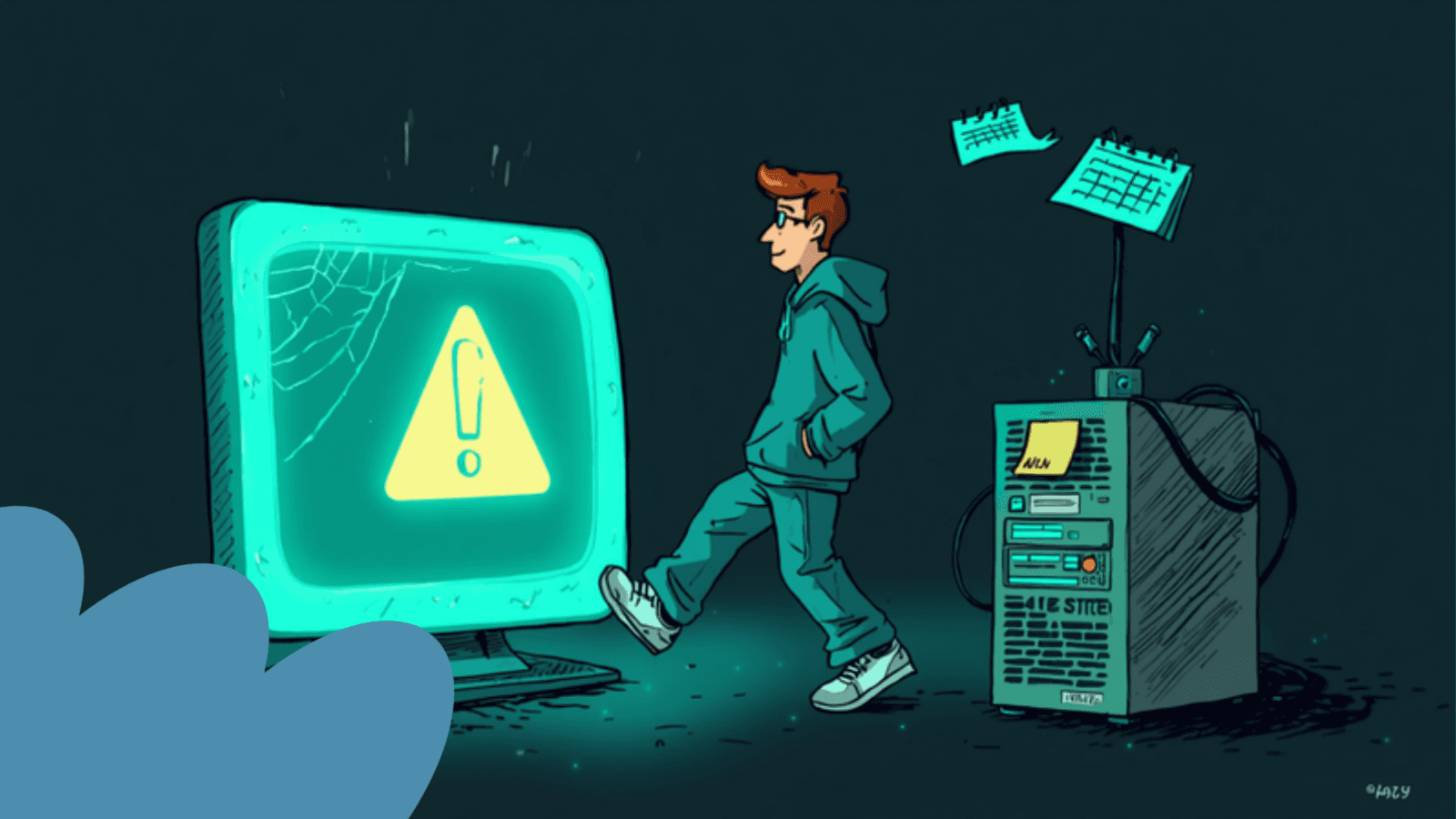
This one stings because there was no clever exploit to discover. The Apache Struts vulnerability was publicly disclosed and a patch was released on March 6, 2017. Four days later, attackers were inside Equifax through exactly that hole, on a server that never got the update.
Then it got worse. The intruders sat in the network for 78 days, quietly exfiltrating the most sensitive PII imaginable on 147 million Americans. They went undetected in part because an expired TLS certificate had silently disabled the tool that was supposed to inspect outbound traffic. A lapsed cert turned off the burglar alarm.
A "critical" patch you applied next quarter is a door you left open this quarter.
The boring control: vulnerability and patch management with a clock on it, plus monitoring you actually verify is alive. Knowing about a 10.0-severity flaw is worthless if the patch does not reach every asset, and detection you never test is just expensive decoration. This is the unglamorous heart of frameworks from SOC 2 to CISA's Known Exploited Vulnerabilities catalog.
CASE FILE 04: COLONIAL PIPELINE, NO SECOND FACTOR
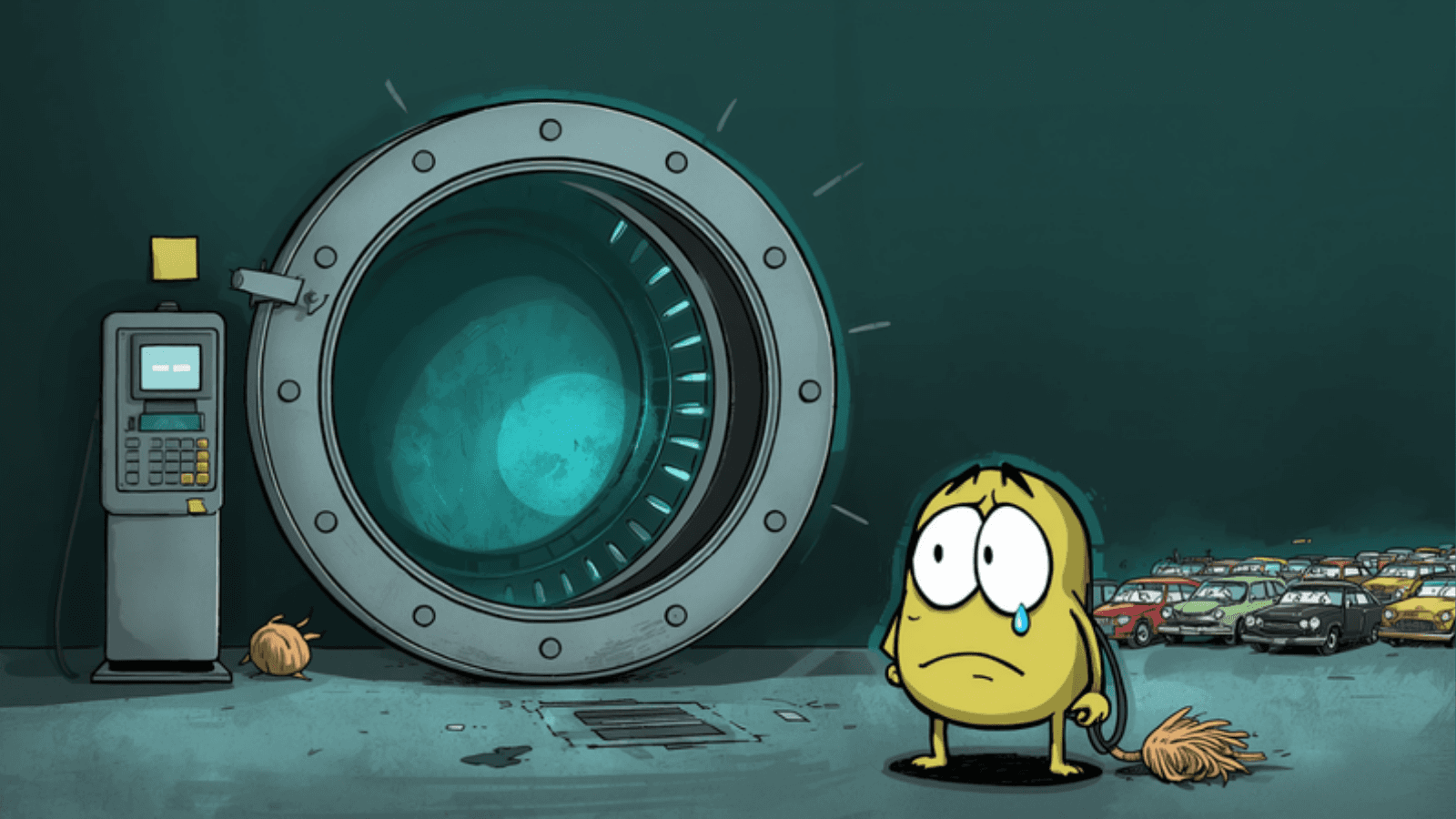
The DarkSide ransomware crew did not need to be clever. They got in through a single VPN account that was no longer in active use, with a password that had leaked in an unrelated breach. The account had no multi-factor authentication. One reused credential, one missing second factor, and the gate swung open.
From there it escalated into one of the most disruptive cyberattacks in US history: fuel shortages, panic buying, an emergency declaration, and a $4.4 million ransom. All hanging off an account someone forgot to turn off and never bothered to protect with MFA.
The boring control here is the one on every cyber-insurance application for a reason: turn on MFA, and decommission what you do not use. It is the cheapest, highest-leverage control in security, and it would have kept the gas flowing.
CASE FILE 05: CAPITAL ONE'S TOO-MANY-KEYS CLOUD
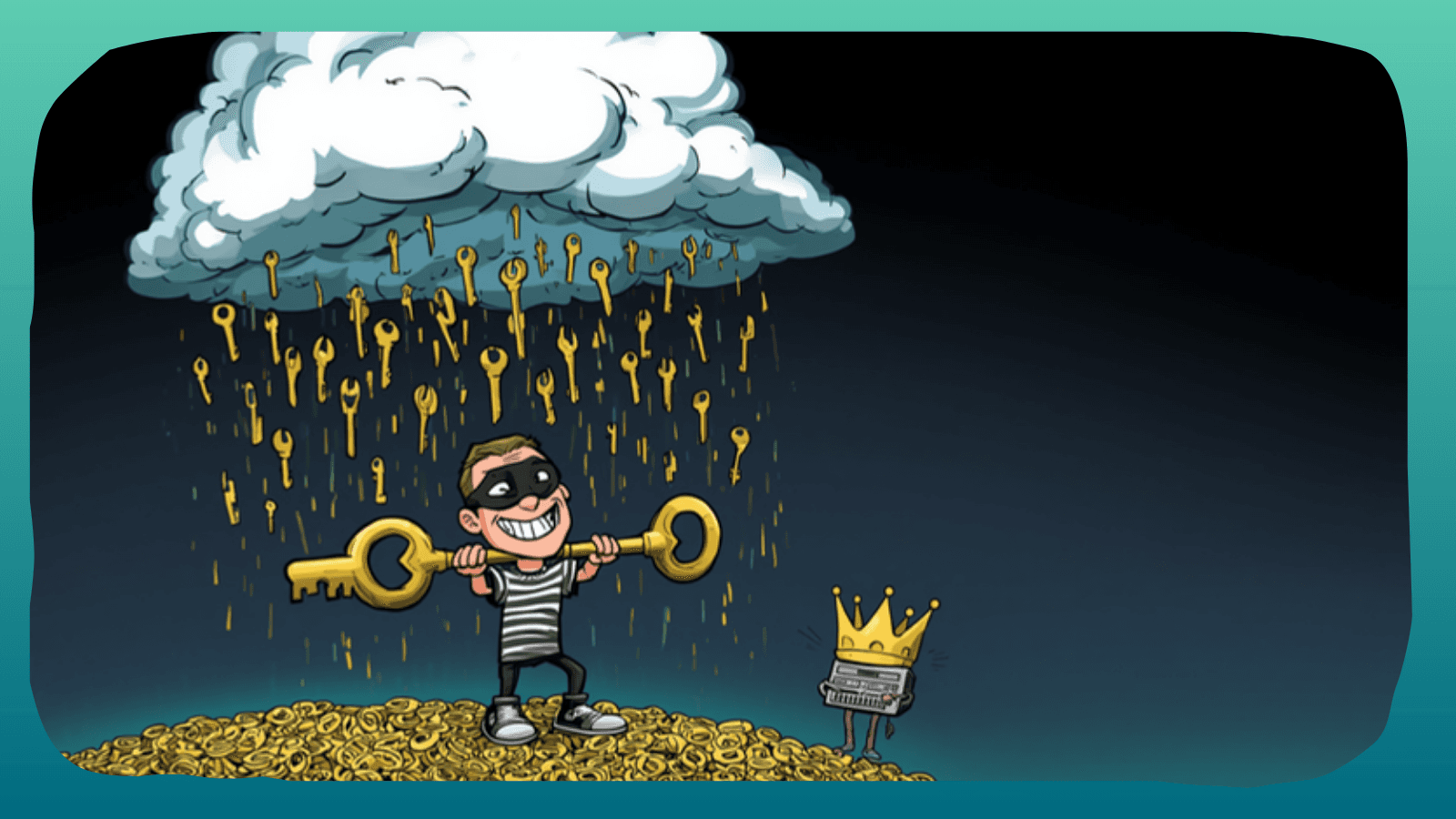
The Capital One breach was a cloud story. An attacker exploited a server-side request forgery (SSRF) flaw in a misconfigured web application firewall to reach the AWS metadata service. That trick handed over temporary credentials. And here is the kicker: the role those credentials belonged to could read far more than it ever should have.
With one over-permissioned role, a single misconfiguration turned into access to data on 106 million credit-card applicants. Regulators were blunt about the root cause: the bank had failed to establish effective risk-assessment processes before moving major operations to the cloud. The bill came to $80 million in fines plus a $190 million settlement.
In the cloud, an over-permissioned role is a vault with the door welded open.
The boring control: least privilege and configuration management. Scope every cloud role to the minimum it needs, continuously check for misconfigurations, and a stray SSRF bug grabs almost nothing worth having. The exploit is the spark; excessive permissions are the gasoline.
CASE FILE 06: SOLARWINDS, POISONING THE WELL

This is the heist that flips the script. Instead of attacking 18,000 organizations one by one, the actors (widely attributed to APT29) compromised something all of them trusted: the SolarWinds Orion build pipeline. Malware called SUNSPOT quietly slipped a backdoor into the software as it was being compiled.
The poisoned update was then code-signed and shipped through the normal, trusted channel. Around 18,000 customers installed it. The attackers did not break your defenses. They came in through a door you held open for a vendor you trusted. It is the reason "passed the audit" and "actually secure" are not the same thing, which we unpacked in Your Audit Passed. You're Still Screwed.
The boring control: treat your build system like production and your suppliers like part of your perimeter. Integrity checks on the pipeline and real third-party risk management are how you keep a vendor's bad day from becoming yours.
THE PATTERN: BORING CONTROLS WIN
Line the case files up and the "sophisticated cyberattack" narrative falls apart. Nation-state tooling, organized ransomware crews, the most advanced persistent threats on earth, and they all walked in through a door a checklist told someone to close.
// SIX HEISTS, ONE ROOT CAUSE
None of these required a defender to be a genius. They required a defender to be consistent. The same handful of controls keeps showing up as the thing that was missing, which is wonderful news: it means the fix is knowable and repeatable.
Now, the objection. You have heard it on every conference stage and in every security Slack: "compliance isn't security." And honestly? Agreed. A passed audit is not a force field, and plenty of breached companies had the certificate framed on the lobby wall. Compliance absolutely can curdle into theater: the security equivalent of looking extremely busy while accomplishing almost nothing.

But here is the part the "compliance isn't security" crowd tends to skip: the controls on those checklists are not the problem. Patch your systems, require MFA, segment the network, scope down access. Every one of those is both a compliance checkbox and the precise thing that would have stopped the six heists above. The failure was never that the controls were too "compliance-y." It was that nobody actually switched them on.
So both things are true at once. Compliance treated as box-checking is theater. Compliance treated as a forcing function, the reason you finally deploy the patch, enable the second factor, and run the access review, is some of the cheapest real security you will ever buy. Do not throw out the control just because the checkbox annoys you.
This is the quiet case for taking your controls seriously even when they feel like paperwork. The framework is not the enemy; it is the after-action report from every breach above, written down so you do not have to learn it the expensive way. The trick is making sure those controls actually operate, not just exist in a policy. That is the whole job of a good vCISO.
The most advanced threat in the world still loses to a patched server and a second factor.
Hollywood will keep selling the hoodie and the racing progress bar, because "they exploited a patch we hadn't deployed" does not test well with audiences. But that boring sentence is the real story of nearly every legendary hack, and the boring controls in this article are the ending where the heist fails.
The Illumenati // Boutique GRC for the AI-First Era // illumen.io
> SOURCES
- [01]The Real Story of Stuxnet— IEEE Spectrum
- [02]Target Hackers Broke in Via HVAC Company— Krebs on Security
- [03]Equifax Suffered Data Breach After It Failed to Patch Old Apache Struts Flaw— The Hacker News
- [04]Known Exploited Vulnerabilities Catalog— CISA
- [05]Colonial Pipeline Ransomware Attack— Overview & timeline
- [06]OCC Assesses $80 Million Civil Money Penalty Against Capital One— OCC
- [07]Sunburst: Supply Chain Attack Targets SolarWinds Users— Symantec / Security.com